As energy costs continue to rise and environmental concerns become more pressing, finding effective ways to improve your home's energy efficiency has never been more important. One of the most impactful yet often overlooked solutions is proper insulation. The right insulation not only helps maintain a comfortable indoor temperature year-round but significantly reduces energy consumption and lowers utility bills.
In this comprehensive guide, the All Pros Property Services team will explore the top insulation options available on the market today—highlighting their benefits, costs and ideal applications—to help you make an informed decision that maximizes energy savings and cuts costs in the long run. Whether you’re building a new home or upgrading an existing one, understanding your insulation choices is the first step toward a more sustainable and cost-effective living space. All Pros Property Services offers numerous Residential, Commercial and Industrial Property Services throughout the Main Line Region of Philadelphia, Pennsylvania. If you live in Chester County, Pennsylvania; Delaware County, Pennsylvania; Montgomery County, Pennsylvania; or Philadelphia, Pennsylvania, and are looking for a skilled contractor to install, upgrade or replace insulation in your home or business, call the All Pros Property Services team, known throughout the region for producing top-quality results!
Discover All the Projects the All Pros Property Services Team Can Do and the Greater Philadelphia, Pennsylvania, Counties and Municipalities We Serve
Introduction: Why Insulation Matters for Energy Savings
When it comes to reducing energy bills and creating a comfortable living environment, insulation plays a crucial role. Proper insulation acts as a barrier that slows down the transfer of heat, keeping your home warm during the winter and cool throughout the summer. This can enhance indoor comfort and significantly reduce the need for excessive heating and cooling, leading to substantial energy savings.
In addition to lowering utility costs, effective insulation contributes to a smaller carbon footprint by minimizing energy consumption, making it an environmentally responsible choice. Whether you’re building a new home or business or upgrading an existing one, understanding the importance of insulation is the first step toward maximizing energy efficiency and cutting long-term costs. In this guide, we’ll explore the top insulation options available, helping you make informed decisions to optimize your home’s energy performance.
Understanding How Insulation Works
Insulation plays a vital role in maintaining a comfortable indoor environment by reducing heat transfer between the inside and outside of your home. Essentially, insulation slows down the movement of heat, keeping warm air inside during the winter and preventing unwanted heat from entering during the summer. This process not only raises the level of comfort but chops away at the amount of energy needed for heating and cooling, driving down your utility bills.
Most insulation materials work by trapping air within tiny pockets, as air is a poor conductor of heat. These trapped air pockets minimize the flow of heat through walls, ceilings and floors. The effectiveness of insulation is measured by its R-value, which indicates its resistance to heat flow. Simply put, the higher the R-value, the better the insulation’s performance. Understanding these basics helps you make informed decisions when choosing the right insulation type for your home or business, ensuring maximum energy savings and long-term cost efficiency.
Ready to Talk to the All Pros Property Services Team About the Best Insulation Options for Your Home or Business?
Factors to Consider When Choosing Among Insulation Options
When selecting the right insulation for your home or building, it’s essential to consider several key factors to ensure you maximize energy savings and get the best return on your investment. First, think about the climate in your area. Different insulation materials perform better under certain temperature and humidity conditions, so choosing one suited to your local environment will enhance efficiency. Next, evaluate the R-value, which measures an insulation material’s resistance to heat flow. The higher the R-value, the better the insulation’s effectiveness. However, keep in mind that the required R-value can vary depending on the part of your home you’re insulating, such as walls, attic or floors.
Additionally, consider the installation process and the space available. Some materials are easier and quicker to install, and others may require professional expertise such as the kind offered by the stellar All Pros Property Services team or specific space allowances. Durability and maintenance also play a role. You want insulation that will last for years without degrading or requiring frequent upkeep. Lastly, factor in the environmental impact and cost. Eco-friendly insulation options can reduce your carbon footprint, and balancing upfront costs with long-term energy savings will help you make the most cost-effective choice. By carefully weighing these factors, you’ll be better equipped to select insulation that can trim your energy bills while enhancing comfort and sustainability in your home.
Fiberglass Insulation: Pros and Cons
Fiberglass insulation is one of the most commonly used insulation materials due to its affordability and effectiveness in reducing heat transfer. Made from fine strands of glass woven together, fiberglass comes in batts, rolls and loose-fill forms, making it versatile for various applications such as walls, attics and crawl spaces.
Fiberglass insulation is cost-effective, as it is generally less expensive compared to other insulation types, making it a budget-friendly option for homeowners. It provides good thermal performance, providing excellent resistance to heat flow, helping keep your home warm in winter and cool in summer. Fiberglass insulation is also fire resistant because it is naturally non-combustible, adding an extra layer of fire safety to your home. Finally, it is easy to install. Available in pre-cut batts and rolls, fiberglass insulation is relatively simple to install for do-it-yourself (DIY) enthusiasts and professionals.
Fiberglass insulation isn't without its drawbacks, too, though. First, it's an irritation risk. The tiny glass fibers can irritate skin, eyes and respiratory systems during installation, so protective gear is essential. Many choosing fiberglass insulation call on experts such as All Pros Property Services to handle this very important job. Fiberglass insulation is also moisture sensitive. It doesn’t perform well when exposed to moisture, as it can lose its insulating properties and promote mold growth. Proper vapor barriers and moisture control are necessary. Fiberglass insulation also settles over time. Loose-fill fiberglass may settle or compress, reducing its effectiveness unless properly installed. Finally, fiberglass insulation offers a lower level of soundproofing compared with denser materials such as spray foam and might not be ideal for some home or business's noise-reduction needs.
In summary, fiberglass insulation is a reliable and affordable choice for many homeowners and business owners looking to enhance energy efficiency. Understanding its limitations and proper installation techniques, however, is crucial to maximize its benefits and ensure long-term performance.
Spray Foam Insulation: Benefits and Drawbacks
Spray foam insulation has gained immense popularity in recent years due to its superior ability to create an airtight seal and provide excellent thermal resistance. This type of insulation is applied as a liquid that quickly expands into a foam, filling cracks, gaps and hard-to-reach spaces with ease. One of the biggest benefits of spray foam insulation is its high R-value per inch, meaning it offers exceptional energy efficiency by minimizing heat loss in winter and heat gain in summer. Additionally, spray foam acts as a moisture barrier, reducing the risk of mold and mildew growth, which can improve indoor air quality and extend the life of your home’s structure.
Spray foam insulation also comes with some drawbacks, however. The initial installation cost tends to be higher than other insulation types, which can be a consideration for budget-conscious homeowners. Proper installation requires professional expertise to ensure the foam is evenly applied and fully cured. Otherwise, gaps or over-expansion can occur, compromising performance. Additionally, some types of spray foam contain chemicals that may off-gas during installation, requiring adequate ventilation and safety precautions. All Pros Property Services owner Robert Irwin uses spray foam insulation only in small places and not for entire insulation jobs. The reason? When roofs need to be replaced, spray foam insulation can result in major messes when ripping up plywood.
Cellulose Insulation: An Eco-Friendly Choice
Cellulose insulation stands out as an excellent eco-friendly option for homeowners looking to maximize energy savings while reducing their environmental footprint. Made primarily from recycled paper products such as newspapers and cardboard, cellulose is treated with nontoxic fire retardants and insect repellents, making it safe and effective. One of the key benefits of cellulose insulation is its superior ability to fill in gaps and crevices, providing a dense, airtight barrier that helps prevent heat loss in the winter and keeps your home or business cooler in the summer. This dense packing also contributes to soundproofing, reducing noise pollution inside your home.
Additionally, because it’s made from recycled materials, choosing cellulose insulation supports sustainability efforts by diverting waste from landfills. Installation is relatively straightforward and can be done through blown-in methods, making it ideal for retrofitting existing walls and attic spaces. If you’re seeking a cost-effective, environmentally responsible insulation solution that performs well across seasons, cellulose insulation is definitely worth considering.
Radiant Barrier Insulation: Reflecting Heat Effectively
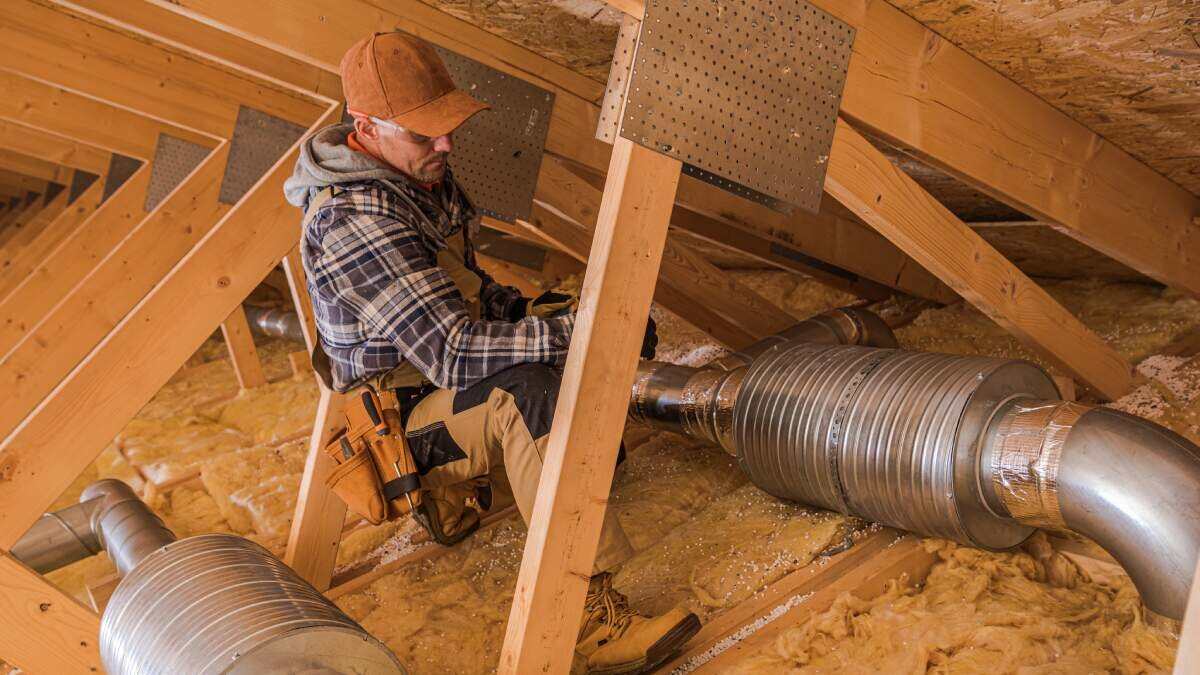
Radiant barrier insulation is a highly effective solution designed to reflect radiant heat away from your living spaces, helping keep your home cooler in the summer and warmer in the winter. Unlike traditional insulation materials that primarily slow down heat conduction, radiant barriers work by reducing the amount of heat that radiates into your attic or walls. Typically installed in the attic, these barriers consist of a reflective material—often aluminum foil—bonded to a substrate such as kraft paper or plastic film.
One of the key benefits of radiant barrier insulation is its ability to significantly reduce cooling costs, especially in hot climates where radiant heat gain through the roof can dramatically increase indoor temperatures. By reflecting as much as 97 percent of radiant heat, this kind of insulation decreases the workload on your air conditioning system, leading to lower energy bills and enhanced comfort throughout your home. Additionally, radiant barriers are lightweight, easy to install and can be combined effectively with other insulation types for comprehensive thermal protection.
It’s important to note, however, that radiant barriers are most effective when there is an air space adjacent to the reflective surface, so proper installation is crucial to maximize their performance. Whether you're building a new home or upgrading your existing insulation, incorporating a radiant barrier can be a smart and cost-efficient strategy to improve your home’s energy efficiency year-round.
Mineral Wool Insulation: Fire Resistance and Soundproofing
Mineral wool insulation stands out as an exceptional choice for homeowners and builders aiming to maximize energy savings while enhancing safety and comfort. Made from natural or recycled materials such as basalt rock and slag, mineral wool is renowned for its excellent fire-resistant properties. Unlike many other insulation types, it can withstand extremely high temperatures without melting or emitting toxic fumes, making it an ideal option for improving the fire safety of your home or building.
In addition to its fire resistance, mineral wool insulation offers superior soundproofing capabilities. Its dense and fibrous structure effectively absorbs sound waves, reducing noise transmission between rooms and from external sources. This makes it a popular choice for spaces that require a quieter environment, such as bedrooms, home offices or media rooms.
Beyond safety and noise reduction, mineral wool also provides impressive thermal insulation. Its dense fibers trap air effectively, minimizing heat loss during colder months and keeping interiors cooler in summer. This thermal efficiency can contribute significantly to lowering your energy bills over time.
Overall, mineral wool insulation combines durability, safety and comfort, making it a versatile and cost-effective solution for anyone looking to enhance their property’s energy efficiency while adding valuable fire resistance and soundproofing benefits.
Rigid Foam Board Insulation: Versatility and Efficiency
Rigid foam board insulation is a highly versatile and efficient option that can significantly enhance your home's energy performance. Made from materials such as polystyrene, polyisocyanurate or polyurethane, these boards offer excellent thermal resistance, helping reduce heat loss in winter and keep your home cooler in summer. Their high R-values per inch make them one of the most effective insulation materials available, providing superior energy savings compared with traditional insulation types.
One of the key benefits of rigid foam boards is their adaptability. They can be installed in a variety of locations, including exterior walls, basement walls, roofs and even under concrete slabs. Their rigid structure also adds strength and durability to the areas they cover, helping protect your home against moisture and air infiltration. Additionally, rigid foam boards are relatively easy to cut and shape, allowing for precise fitting around pipes, ducts and other obstacles.
Overall, investing in rigid foam board insulation is a smart choice if you’re looking to maximize energy efficiency, lower your utility bills and improve the comfort of your living space. Whether you’re tackling a new construction project or upgrading existing insulation, rigid foam boards offer a long-lasting and cost-effective solution.
Comparing Insulation R-Values and Their Impact
When selecting the right insulation for your home or building, understanding R-values is important. The R-value measures the insulation’s resistance to heat flow. The higher the R-value, the better the material insulates. This means that materials with higher R-values will more effectively keep your home warm in the winter and cool in the summer, ultimately leading to significant energy savings and reduced utility bills.
Different insulation materials come with varying R-values per inch of thickness. For example, spray foam insulation can have an R-value of 6 to 7 per inch while fiberglass batts typically range between 2.9 and 3.8 per inch. Rigid foam boards also offer high R-values, making them a popular choice for walls and roofs.
When comparing insulation options, it’s key to consider their R-values and factors such as installation ease, cost, moisture resistance and environmental impact. Although higher R-value materials may come with a higher upfront cost, the long-term savings in energy expenses often outweigh the initial investment.
By carefully evaluating the R-values and overall benefits of different insulation types, you can make an informed decision that maximizes energy efficiency and cuts costs in the long run. Remember, investing in quality insulation is one of the most effective ways to improve your home’s comfort and reduce your carbon footprint.
Installation Methods: DIY Vs. Professional
When it comes to installing insulation for your home or business, choosing between a DIY approach and hiring a professional such as the very experienced All Pros Property Services team can significantly impact the effectiveness of the insulation and your overall energy savings. While tackling the installation yourself may seem like a cost-saving option upfront, it requires careful consideration of your skill level, the type of insulation material and the complexity of your home’s structure.
DIY installation is often feasible for materials such fiberglass batts or rolls, which come with relatively straightforward instructions and can be installed with basic tools. This option allows you to save on labor costs and gives you full control over the project timeline. All this said, improper installation—such as gaps, compression or misalignment—can reduce insulation efficiency, leading to heat loss and higher energy bills in the long run. You must also consider any health risks connected to this kind of project.
Professional installation brings expertise and precision to the table. Insulation specialists such as All Pros Property Services are trained to assess your home’s unique needs, recommend the best materials and ensure that the insulation is installed correctly, minimizing air leaks and maximizing thermal performance. Professionals also have access to specialized equipment such as blown-in insulation machines and spray foam rigs, which can be difficult or impossible to use effectively without experience.
In summary, if you’re comfortable with home or business improvement projects and have a relatively simple space to insulate, DIY installation could be a viable and budget-friendly choice. But for complex spaces, advanced insulation types or if you want the assurance of optimal energy savings, investing in professional installation is often the best route to take. Carefully weigh your options to ensure your insulation investment truly pays off.
Cost Analysis: Upfront Investment Vs. Long-Term Savings
When it comes to choosing the right insulation for your home or business, understanding the balance between upfront costs and long-term savings is crucial. Although some insulation materials may seem expensive initially, their superior energy efficiency can lead to significant reductions in heating and cooling bills over time, ultimately paying for themselves—and more. For example, spray foam insulation often has a higher installation cost compared with fiberglass batts, but its excellent air sealing properties can drastically reduce energy loss, resulting in greater savings year after year.
It's important to consider factors such as the lifespan of the insulation, maintenance requirements and potential incentives or rebates offered by government programs or utility companies. A thorough cost analysis should factor in not just the purchase and installation price but energy savings projected over the insulation’s effective life. By evaluating these elements, you can make an informed decision that aligns with your budget and sustainability goals, ensuring you maximize your return on investment while creating a comfortable, energy-efficient space.
Common Mistakes to Avoid When Insulating
When it comes to insulating your home or building, even the best materials and plans can fall short if common mistakes are made during installation. Avoiding these pitfalls is crucial to maximizing energy savings and cutting costs effectively.
One frequent error is neglecting to properly seal gaps and cracks before installing insulation. Air leaks can significantly reduce the effectiveness of insulation by allowing warm or cool air to escape, leading to higher energy bills despite your investment. Always ensure that all seams, joints and penetrations around windows, doors and electrical outlets are thoroughly sealed.
Another mistake is using the wrong type or thickness of insulation for your specific climate and application. Over-insulating can lead to moisture buildup and mold problems, and under-insulating fails to provide adequate thermal resistance. It’s important to research R-values suitable for your region and consult with professionals if needed.
Additionally, improper installation techniques such as compressing insulation batts, leaving gaps or installing insulation unevenly can create cold spots that compromise performance. Insulation should be installed snugly but without being crushed, maintaining its full thickness and coverage.
Finally, ignoring ventilation needs can cause condensation issues, which deteriorate insulation over time and damage the building structure. Ensure your insulation strategy works in harmony with proper ventilation to maintain a healthy, energy-efficient environment.
By steering clear of these common mistakes, you’ll ensure your insulation delivers optimum performance, helping you save energy and reduce costs for years to come.
Maintenance and Longevity of Different Insulation Options
When selecting insulation for your home or commercial property, it’s crucial to consider the initial cost and energy efficiency as well as the maintenance requirements and longevity of each insulation type. Different materials vary significantly in how long they last and how much upkeep they demand, which can impact your long-term savings and comfort.
Fiberglass insulation, one of the most common options, is known for its durability and resistance to moisture damage. It typically lasts for decades with minimal maintenance, though it should be inspected periodically for any signs of compression or water infiltration that can reduce its effectiveness. Spray foam insulation offers excellent sealing properties and longevity, often maintaining its performance for 80 years or more if properly installed. Any damage or pest intrusion may require professional repair, however, as DIY fixes are not recommended.
Cellulose insulation, made from recycled paper products treated for fire resistance, is an eco-friendly choice but tends to settle over time, potentially creating gaps that reduce its insulating ability. Routine inspections every few years can help identify and correct settling issues. Mineral wool or rock wool insulation boasts impressive fire resistance and soundproofing qualities, and it resists mold and pests better than many other insulation types. Its lifespan can reach 50 years or more with little maintenance.
Ultimately, understanding the maintenance needs and expected lifespan of your chosen insulation type is key to ensuring consistent energy savings and avoiding unexpected repair costs. Regular inspections, proper installation and addressing any moisture or pest problems early will help maximize the longevity and performance of your insulation investment.
Connect With the All Pros Property Services Team to Discuss Your Home or Business's Best Insulation Options
Conclusion: Selecting the Best Insulation Option for Your Home or Business and Budget
Choosing the best among the many insulation options for your home or business is a crucial step toward enhancing energy efficiency and reducing utility costs. With a variety of insulation options available—ranging from traditional fiberglass batts to advanced spray foam and eco-friendly cellulose—it's important to consider factors such as your climate, budget and specific areas of your home that need attention. Remember, the most effective insulation helps maintain a comfortable indoor temperature year-round while minimizing energy waste, ultimately saving you money in the long run. By carefully evaluating your needs and consulting with professionals such as All Pros Property Services, you can select the best insulation option that balances performance with affordability, ensuring a cozier home or business and a healthier wallet for years to come.
Choosing the ideal insulation option for your home or business is one of the smartest investments you can make to enhance energy efficiency and reduce utility bills. As we've explored in this blog post, there are a variety of insulation options available, each with unique benefits tailored to different needs and budgets. By carefully selecting the insulation option that best fits your home and climate, you can enjoy greater comfort year-round while making a positive impact on the environment and your wallet. We hope these insights empower you to make informed decisions that lead to significant energy savings and long-term cost reductions. Here’s to a warmer (and cooler), more efficient and more sustainable home!
Work With All Pros Property Services
Whether you need Carpentry and Handyman Services; Electrical and Mechanical Services; Heating, Ventilation, Air Conditioning (HVAC) and Mechanical Services; Masonry and Landscaping Services; Painting and Specialty Services; Plumbing and Mechanical Services; Roofing and Siding Services; Home Security, Video and Sound Services; and/or Snow Removal Services, All Pros Property Services has you covered!